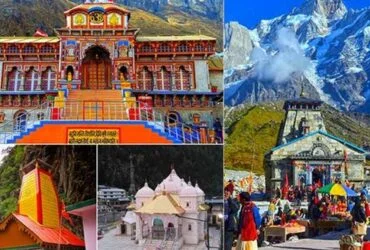
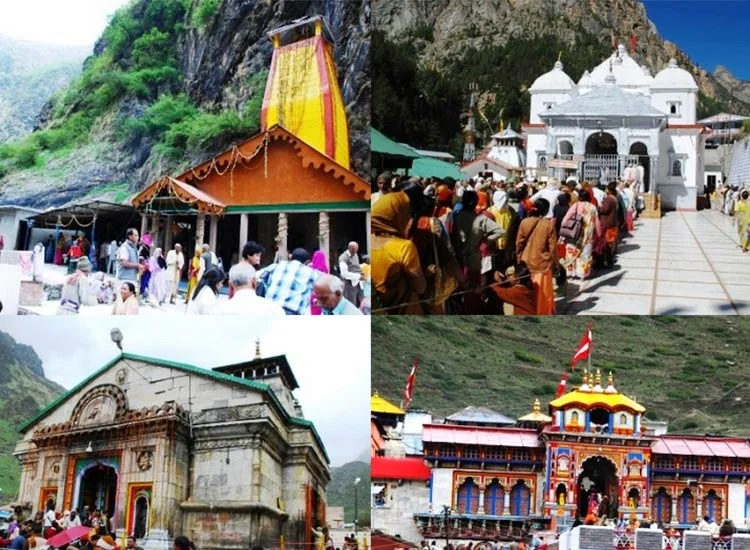
Uttarakhand is known as Devbhoomi, the Land of Gods. Every year, lakhs of devotees visit this holy state to take part in the sacred uttarakhand chard ham yatra. This spiritual journey is one of the most important pilgrimages in India. It includes visits to four holy temples located in the Himalayas — Yamunotri, Gangotri, Kedarnath, and Badrinath.
An uttarakhand chardham yatra is not just a religious tour, but also a peaceful experience that brings mental calm, devotion, and connection with nature. Snow-covered mountains, flowing rivers, and holy temples make this journey truly special.
With Chardham Tourism, you can enjoy a well-planned and comfortable Uttarakhand tour package designed for individuals, couples, senior citizens, and families
The Char Dham Yatra is not just a journey—it’s a deeply emotional and spiritual experience that stays with pilgrims long after they return home. Every year, lakhs of devotees travel to the sacred shrines of Yamunotri, Gangotri, Kedarnath, and Badrinath in search of peace, blessings, and inner clarity. The uttarakhand chardham yatra holds special significance because all four dhams are located in the pristine Himalayan landscape of Uttarakhand, blending devotion with nature’s raw beauty.
For first-time pilgrims especially, proper planning can make the difference between a stressful trip and a fulfilling pilgrimage. This guide walks you through everything you need to know—from routes and timing to preparation tips and common questions.
The uttarakhand chard ham yatra is a holy pilgrimage that covers four sacred Hindu temples located in the Garhwal region of Uttarakhand. These temples are dedicated to different gods and goddesses and are believed to wash away sins and bring blessings.
The traditional order of the yatra is:
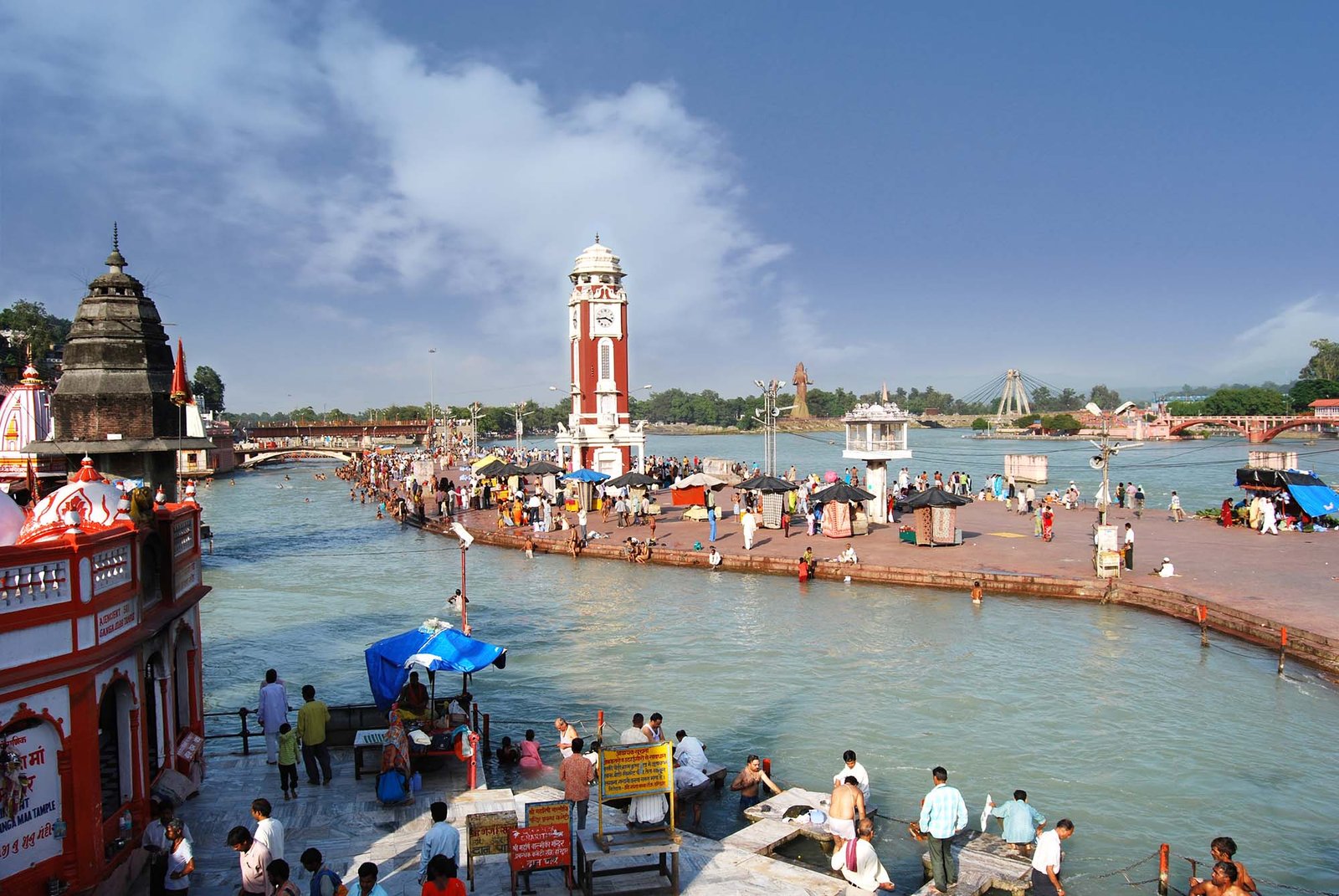
This order is followed to respect ancient religious beliefs. Most pilgrims begin their journey from Haridwar, Rishikesh, or Dehradun.
In Hindu belief, completing the uttarakhand char dham yatra is considered very sacred. It is believed that a person who completes this journey with faith gets spiritual peace and divine blessings.
Each dham has its own importance:
Yamunotri is dedicated to Goddess Yamuna
Gangotri is dedicated to Goddess Ganga
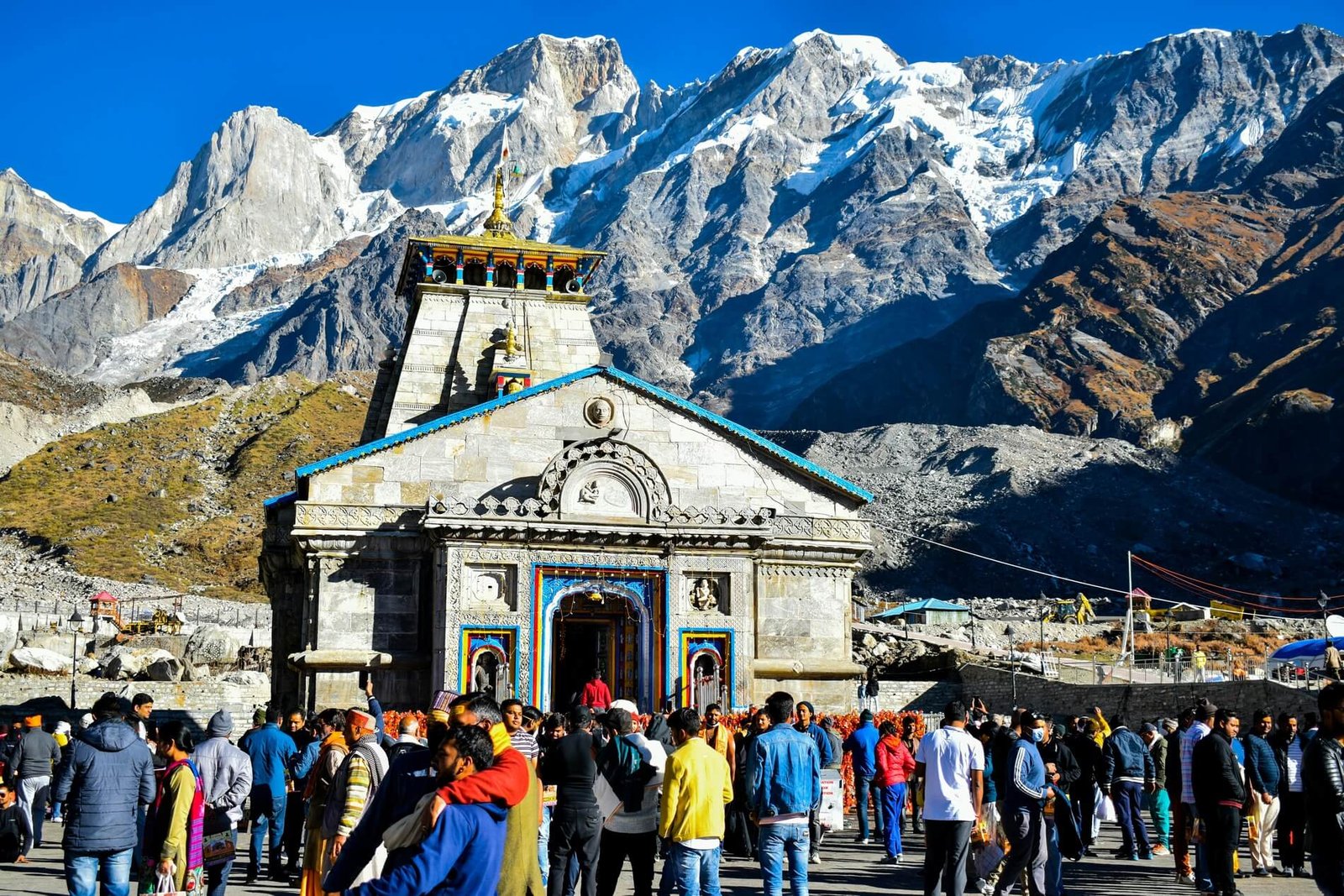
Kedarnath is dedicated to Lord Shiva
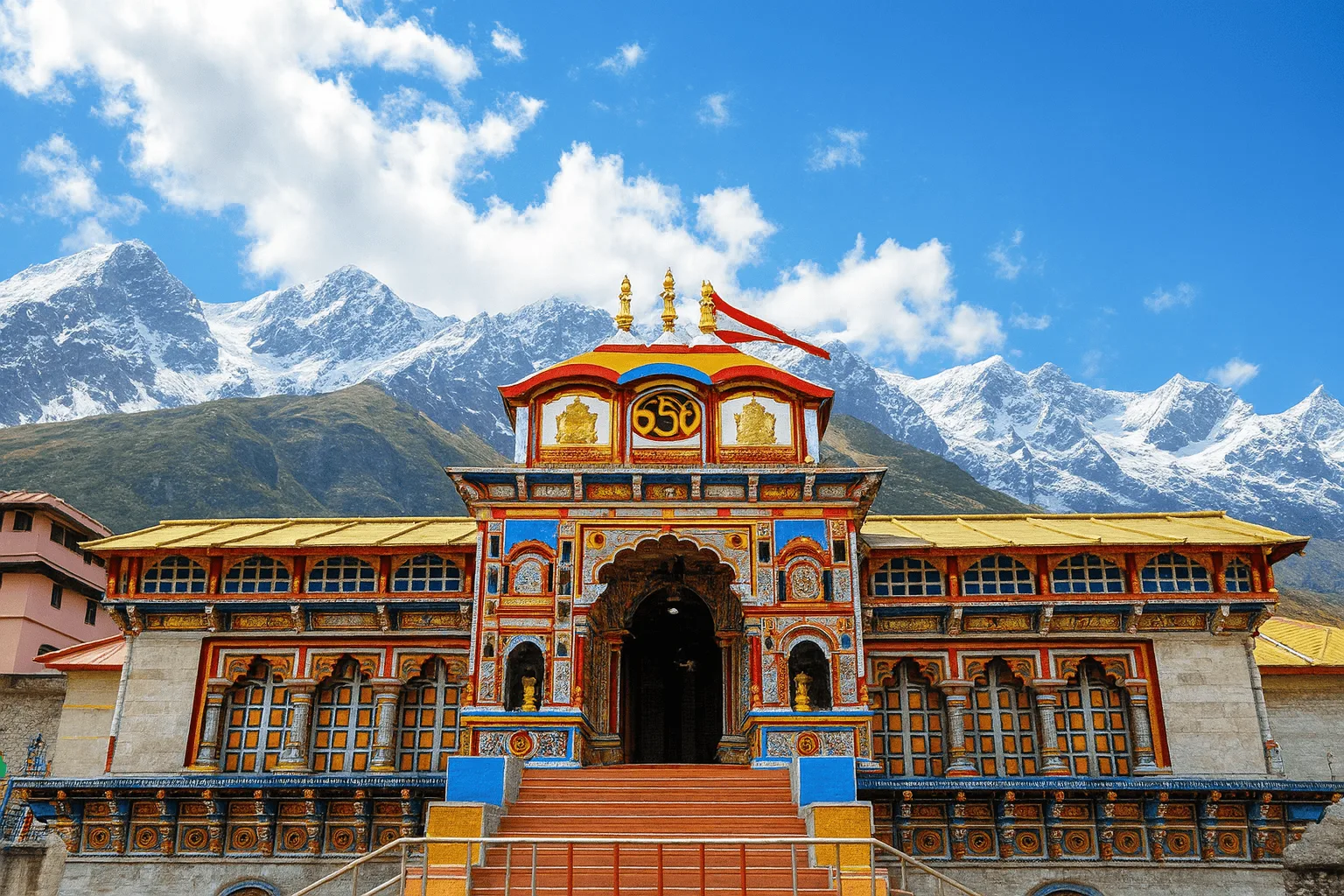
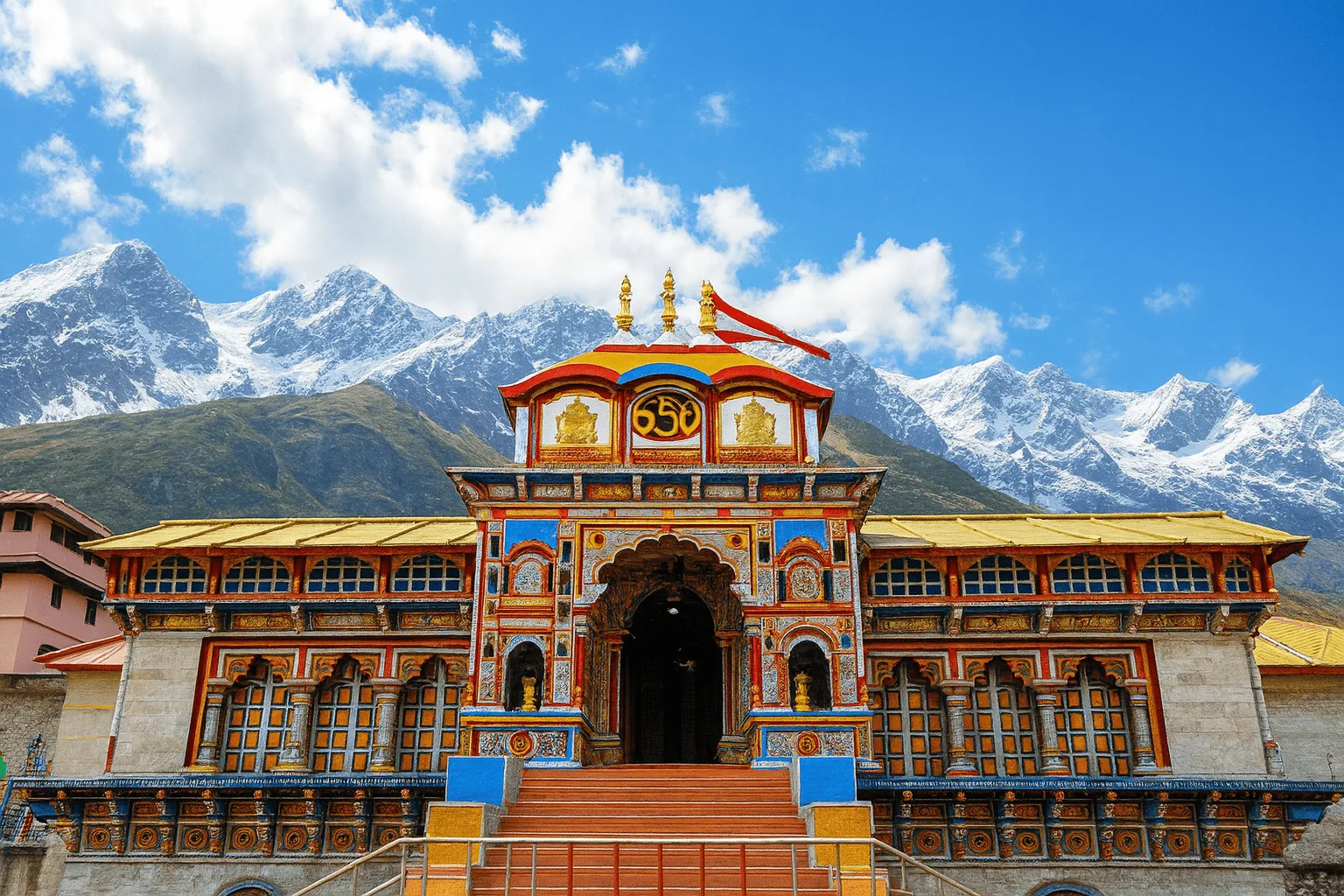
Badrinath is dedicated to Lord Vishnu
Together, these four temples represent spiritual balance and devotion.
Chardham Tourism, a trusted travel agency in Uttarakhand, offers convenient and reliable pilgrimage and sightseeing packages including Chardham Yatra, Do Dham Yatra, Haridwar tours, Rishikesh tours, and more.
Pilgrimage tours in Uttarakhand are among the most sought-after journeys for devotees wishing to visit the land of gods. True Hindu pilgrims experience the divine feeling of entering sacred sites, especially during the Chardham Yatra. Uttarakhand offers a unique spiritual beauty that cannot be found elsewhere. Dada Boudir Tour & Travels (Regd.) recommends taking the Chardham Tour Package in Uttarakhand, whether you are a first-time pilgrim or have prior experience with pilgrimage tours.
The Char Dham temples are believed to cleanse the soul and pave the way toward moksha. Each shrine has a distinct spiritual role. Yamunotri honors Goddess Yamuna, Gangotri marks the earthly origin of the Ganga, Kedarnath is dedicated to Lord Shiva, and Badrinath enshrines Lord Vishnu.
Completing the uttarakhand chardham yatra is considered a lifetime achievement for many devotees. Beyond rituals, the journey itself teaches patience, humility, and faith—qualities tested by long travel days and unpredictable mountain conditions.
Uttarakhand is more than just the location of the temples—it shapes the entire yatra experience. The state’s terrain, weather, and infrastructure directly influence travel planning. Roads wind through deep valleys, rivers flow alongside highways, and altitude changes are constant.
Because the yatra passes through remote regions, local expertise and careful scheduling matter. Government regulations, temple timings, and weather conditions all play a role in how smoothly your journey unfolds.
Understanding each dham helps pilgrims connect more deeply with the journey.
Yamunotri: The westernmost shrine, reached via a short trek from Kharsali.
Gangotri: Located near the origin of the River Ganga, offering serene surroundings.
Kedarnath: One of the 12 Jyotirlingas of Lord Shiva, set at high altitude.
Badrinath: Easily accessible compared to the others, with grand temple rituals.
Together, these four sites define the spiritual arc of the uttarakhand chardham yatra, both physically and emotionally.
Most itineraries follow a traditional clockwise order—Yamunotri, Gangotri, Kedarnath, then Badrinath. This sequence supports gradual altitude gain and aligns with long-established pilgrimage customs.
Travel usually begins from Haridwar or Rishikesh. Road journeys are broken into manageable segments with overnight stops. For pilgrims with time constraints or mobility concerns, partial helicopter options are sometimes integrated, especially for Kedarnath.
A well-planned chardham yatra avoids rushed travel days and leaves room for rest and acclimatization.
The Char Dham temples open around late April or early May and close by October or early November, depending on weather. The most favorable months are May, June, September, and early October.
Monsoon season (July–August) brings landslide risks and delays. Winter temperatures rise quickly after September, making post-monsoon travel comfortable for many pilgrims.
Choosing the right window for the chardham yatra can significantly improve safety and overall experience.
One important aspect many pilgrims overlook is crowd management and darshan planning. During peak season, temples can see thousands of devotees daily, leading to long waiting hours if visits aren’t timed correctly. Strategic planning—such as reaching shrines early in the morning or avoiding weekends—can significantly improve the experience. Local knowledge plays a big role here, as temple rush patterns vary from dham to dham.
Kedarnath, for example, tends to see heavier crowds due to limited access routes, while Badrinath generally offers more structured darshan systems. A well-planned itinerary ensures that pilgrims are not rushing between locations or standing in queues while exhausted. Instead, they can spend time in prayer and reflection. This becomes especially important for elderly travelers and families with children. When crowd flow, temple timings, and travel distances are aligned properly, the overall uttarakhand chardham yatra feels calm and purposeful rather than overwhelming.
Traditional road travel remains the most common way to complete the yatra, offering scenic views and gradual spiritual immersion. However, it also demands physical endurance and patience.
Helicopter services, available for select routes, reduce travel time and fatigue. These are especially useful for elderly pilgrims or those with limited schedules.
Both approaches have merit, and the best choice depends on personal comfort, health, and budget during the uttarakhand chardham yatra.
Accommodation ranges from basic guesthouses to comfortable hotels in larger towns. Facilities improve significantly closer to Badrinath and Gangotri.
Meals are generally vegetarian, simple, and nourishing. Most pilgrims find the food easy to digest, which is important at high altitudes.
Reliable planners like Chardham Tourism ensure accommodation and meal arrangements are balanced between comfort and authenticity.
Yatra registration is mandatory and typically managed online or at designated counters. ID proof, medical declarations, and travel details are required.
Failing to complete registration can disrupt your tour, so it’s essential to handle this step early. Professional tour planners often assist with this to avoid last-minute complications.
High altitude, cold temperatures, and long travel days can affect the body. Staying hydrated, pacing yourself, and carrying essential medicines is critical.
Pilgrims with heart or respiratory conditions should consult a doctor before planning the uttarakhand chardham yatra. Acclimatization days are not optional—they are necessary for safety.
Experienced operators like Chardham Tourism factor health considerations into itinerary design.
Beyond physical preparation, mental readiness is just as important for a fulfilling pilgrimage. The Char Dham journey demands patience—delays due to weather, slow-moving traffic, or sudden route changes are common in the mountains. Pilgrims who approach the journey with flexibility and realistic expectations tend to find it far more rewarding.
Letting go of rigid schedules and embracing the rhythm of the Himalayas helps reduce stress and disappointment. Many travelers also find it helpful to learn about the spiritual stories associated with each dham before visiting, as this deepens emotional connection during darshan. Disconnecting from constant phone use and allowing time for quiet reflection can further enhance the experience. When the mind is prepared to accept both comfort and discomfort with equal calm, the uttarakhand chardham yatra becomes more than a physical journey—it turns into a meaningful inner transformation.
Packing smart reduces stress during the yatra.
Essentials include:
Warm layered clothing
Comfortable walking shoes
Rain protection
Personal medicines
Torch, power bank, and ID copies
Avoid overpacking. A lighter load makes the yatra far more manageable.
Not all tour packages are equal. Focus on realistic itineraries, transparent inclusions, and strong local support.
A good provider prioritizes safety, pacing, and clear communication. Many pilgrims choose Chardham Tourism for its experience-driven planning and understanding of regional challenges.
A thoughtfully designed uttarakhand chardham yatra package lets you focus on devotion instead of logistics.
Planning the chardham yatra on your own can be difficult due to hilly roads, weather conditions, and accommodation availability. That is why choosing a trusted tour operator is important.
With Chardham Tourism, you get:
Complete travel planning
Well-maintained vehicles
Clean and comfortable hotels
Trained local drivers
24/7 travel assistance
Our chardham yatra family package is designed keeping comfort, safety, and spiritual needs in mind.
The uttarakhand char dham yatra usually starts in April or May and continues till October or early November, depending on weather conditions.
Best months to travel:
May to June (pleasant weather)
September to October (less crowd)
July and August may have heavy rainfall, so travel during these months should be planned carefully.
Yamunotri is the starting point of the uttarakhand char dham yatra. It is dedicated to Goddess Yamuna. Pilgrims take a short trek or use pony/palki services to reach the temple.
Hot water springs near the temple are a special attraction. Devotees cook rice in these springs as prasad.
Gangotri is the second dham in the uttarakhand char dham yatra. This temple is dedicated to Goddess Ganga. The peaceful surroundings and flowing Bhagirathi River create a calm spiritual environment.
Gangotri is easily accessible by road, making it suitable for family travelers.
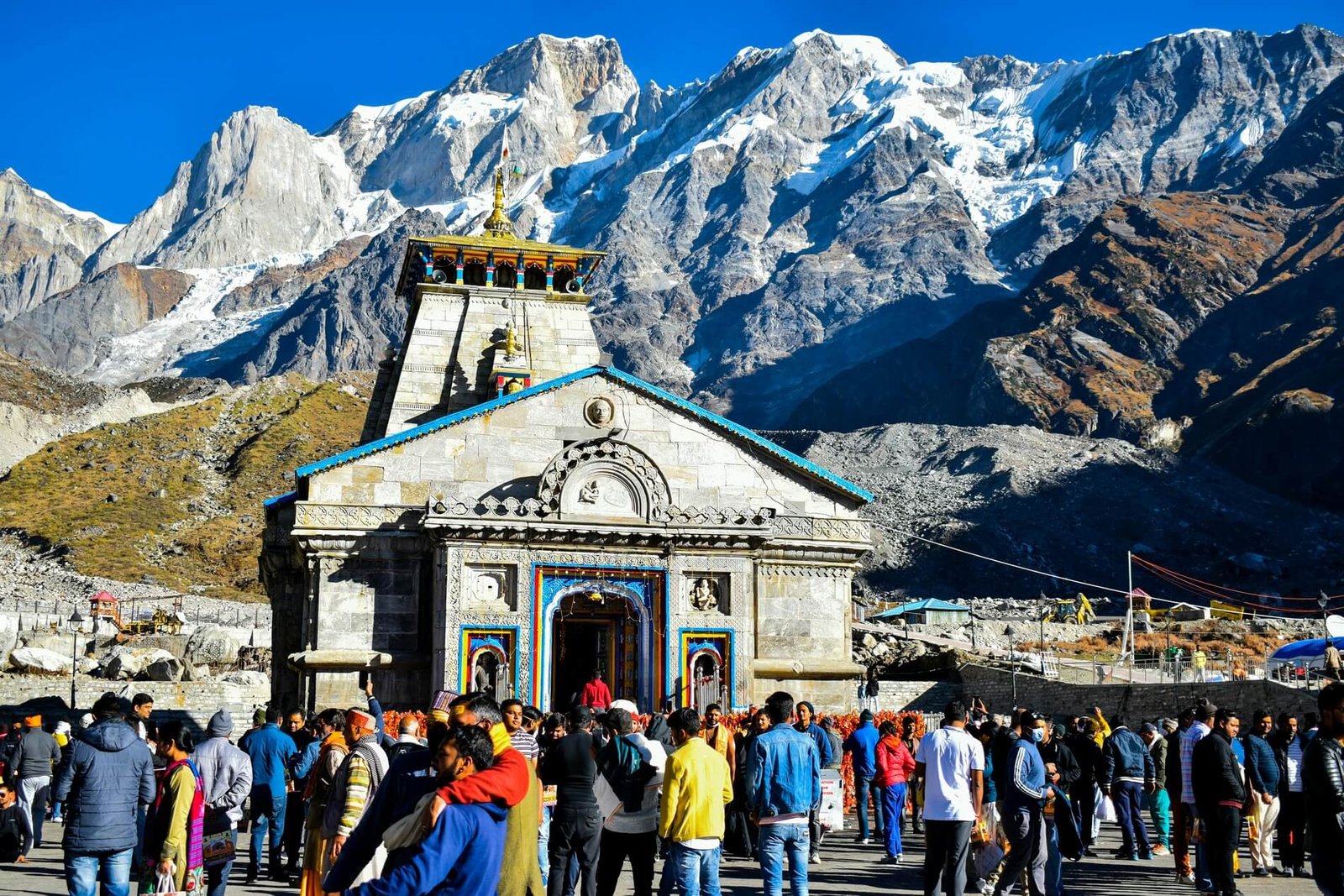
Kedarnath is the most challenging yet most divine part of the uttarakhand char dham yatra. The temple is located at a high altitude and requires a trek of around 16 km.
For families and senior citizens, helicopter services are also available as part of the chardham yatra package.
Badrinath is the last stop of the uttarakhand chardham yatra. Dedicated to Lord Vishnu, this temple is located near the Alaknanda River.
Badrinath is well connected by road and offers good accommodation options, making it comfortable for family stays.
Uttarakhand Chardham Yatra by Road
Road travel is the most common way to complete the uttarakhand char dham yatra. Our Uttarakhand tour packages include:
Tempo Traveller for families
SUVs for small groups
Comfortable seating and luggage space
Road journeys also allow pilgrims to enjoy scenic mountain views.
A chardham yatra family package is suitable for:
Families with children
Senior citizens
First-time pilgrims
Devotees looking for comfort
Proper rest
Easy hotel check-ins
Safe travel pace
Our Uttarakhand tour package includes clean and comfortable hotels near the pilgrimage sites. These hotels provide basic facilities like hot water, clean rooms, and simple meals.
Staying close to temples reduces travel stress, especially for families.
Food during the uttarakhand char dham yatra is simple and vegetarian. Our packages include meals that are hygienic and easy to digest.
Families are advised to avoid outside food and drink enough water.
Carry warm clothes
Walk slowly at high altitudes
Follow driver and guide instructions
Keep medicines handy
Avoid overexertion
These tips are especially important for families and senior citizens.
The uttarakhand chardham yatra is a once-in-a-lifetime spiritual journey. With the right planning and a trusted tour operator, it becomes a peaceful and memorable experience.
A chardham yatra family package ensures comfort, safety, and devotion for every family member. With Chardham Tourism, your journey is well-organized, meaningful, and stress-free.
Book your Uttarakhand tour package today and begin your divine journey with faith and confidence.
1. What is included in a chardham yatra family package?
- A chardham yatra family package usually includes hotels, transportation, sightseeing, and assistance throughout the journey.
2. Is uttarakhand char dham yatra safe for families?
- Yes, with proper planning and a reliable tour operator, the uttarakhand chardham yatra is safe for families.
3. How many days are required for the yatra?
- The complete uttarakhand chardham yatra usually takes 9 to 12 days by road.
4. Can senior citizens do the char dham yatra?
- Yes, senior citizens can travel comfortably with a chardham yatra family package that includes proper rest and support.
5. What is the best starting point for the yatra?
- Haridwar, Rishikesh, and Dehradun are the most common starting points.
6.Are helicopter services included in family packages?
-Helicopter services can be added to the chardham yatra family package on request, especially for Kedarnath.
The Char Dham Yatra is not about how fast you finish—it’s about how deeply you experience it. With the right preparation, guidance, and mindset, the uttarakhand chardham yatra becomes a journey of reflection, resilience, and spiritual growth.
When logistics are handled well and expectations are realistic, pilgrims return not just with photos, but with a sense of peace that’s hard to describe.
If you’re planning this sacred journey, choose wisely, travel mindfully, and allow the mountains to guide you—step by step, shrine by shrine.

Tell us what you're looking for